
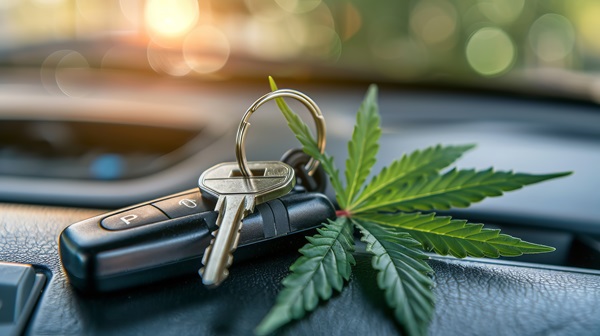
What legalization means (and doesn’t mean) for Delaware drivers
Recreational cannabis is now legal in Delaware. As of August 1, 2025, adults 21 and older can purchase marijuana at licensed dispensaries. The change follows the passage of House Bills 1 and 2, which legalized possession and created a regulated adult‑use market. But the Delaware Department of Transportation (DelDOT) quickly reminded everyone that legalization does not extend to the driver’s seat. In a mid‑August announcement, the agency warned that driving under the influence of cannabis remains illegal and unsafe.
Here is what the new law allows, why driving high is prohibited, the steep penalties for drug‑impaired driving, and what to do if you're injured in a car accident involving an impaired driver in Delaware.
What does Delaware’s cannabis law allow?
Delaware’s Marijuana Control Act lets adults 21 and over possess up to one ounce of flower, 12 grams of concentrate, or products containing 750 grams or less of delta‑9 THC. Home growing is illegal, so only licensed cultivators are permitted to raise plants, and sales disguised as gifts are strictly prohibited. Purchases are subject to a 15 percent excise tax that funds state regulation and social equity programs.
The law comes with strict boundaries. Using cannabis in public or inside a vehicle is illegal and punishable by a fine of up to $200 and up to five days in jail. When transporting cannabis, it must remain in a closed container stowed out of reach. Landlords can prohibit the use of substances on their property, and employers can continue to enforce workplace drug policies. People under 21 are not allowed in dispensaries. These provisions are meant to prevent diversion to minors and ensure cannabis is consumed responsibly.
Can you drive after using cannabis?
Delaware’s DUI statutes apply to all impairing substances, not just alcohol. DelDOT’s message is clear: cannabis use affects reaction time, coordination, and perception. The agency notes that smoked cannabis can impair a driver for one to three hours, while edibles can last even longer. “Be safe and wait,” DelDOT said, urging drivers to stay off the road until they’re sober.
Unlike some states, Delaware doesn't define impairment by a specific THC threshold. Officers evaluate impairment based on driving behavior and field‑sobriety tests. Under implied‑consent rules, refusing a blood or urine test when suspected of driving high leads to automatic license revocation. Drivers should assume that any noticeable impairment makes it illegal to get behind the wheel.
What are the penalties for a cannabis DUI?
The consequences for drug‑impaired driving are harsh. A first‑time DUI conviction carries a fine of $500 to $1,500, potential jail time of up to a year, and a license suspension of one to two years.
A second conviction within 10 years results in a fine of $750 to $2,500, a mandatory jail term of 60 days to 18 months, and a license revocation of 24 to 30 months. A third conviction is treated as a felony, with fines of up to $5,000, a prison term of one to two years, and a license suspension of two to three years. Subsequent offenses become increasingly severe felonies that can result in decade-long prison sentences and substantial fines.
These penalties apply whether you’re under the influence of cannabis, alcohol, or prescription drugs. A DUI conviction can also trigger higher insurance premiums, loss of employment opportunities, and a lasting criminal record. For commercial drivers, any impaired driving offense can end a career.
How can you stay safe and compliant?
The simplest strategy is to avoid driving until you are completely sober. Because edibles take longer to metabolize, waiting several hours is essential. Plan ahead by arranging a sober ride or using a taxi or rideshare service. When transporting cannabis from a dispensary, keep it sealed in the trunk or another area you cannot reach while driving. Never open or consume cannabis while in a vehicle or in public spaces.
Medical cannabis patients should follow the same rules. A prescription does not permit driving under the influence. If you depend on a commercial driver’s license or operate machinery at work, remember that your employer can still discipline you for cannabis impairment. Check workplace policies and use cannabis only during off‑hours when you won’t need to drive.
Does legalization increase crash risk?
Research from other states suggests that legalization doesn't automatically lead to more car accidents when accompanied by strong DUI enforcement and public education. DelDOT’s warning campaign emphasizes personal responsibility. If you feel impaired, treat cannabis like alcohol and wait until you’re sober before getting behind the wheel.
Why legal representation matters after a cannabis-related crash
Legal cannabis doesn’t mean legal impaired driving, and the consequences can be life-changing for crash victims. If you were hit by a driver under the influence of marijuana, your case may involve complex liability questions, toxicology evidence, and disputes with insurance companies over who’s responsible. A Delaware car accident lawyer from our law firm can help you protect your rights, build a strong claim, and pursue full compensation.
Hit by an impaired driver? Call a Delaware car accident lawyer today
If a drug‑impaired driver injures you, you don’t have to deal with the aftermath on your own. At Gill, Welsh, and Chamberlain, P.A., our Delaware car accident attorneys represent victims of every type of collision, including rear‑end, head‑on, distracted‑driving, and drunk‑driving crashes. Our attorneys understand how insurance companies attempt to reduce compensation and will fight to secure the full amount you deserve. Our firm has served Sussex County since 1983, building strong cases for medical bills, lost wages, and pain and suffering.
Delaware’s statute of limitations typically gives you two years to file a personal injury claim, but evidence can fade quickly. Contact us for a free consultation to discuss your rights and legal options. We'll answer your questions and help you pursue the justice you deserve.